





Sale!

BEST SELLERS
Original price was: $19.99.$3.00Current price is: $3.00.
Sale!
BEST SELLERS
Original price was: $26.99.$10.00Current price is: $10.00.
Sale!
BEST SELLERS
Original price was: $16.99.$3.00Current price is: $3.00.
Sale!
BEST SELLERS
Original price was: $22.99.$3.00Current price is: $3.00.
Sale!
BEST SELLERS
Original price was: $19.99.$3.00Current price is: $3.00.
Sale!
BEST SELLERS
Price range: $2.50 through $4.00
Sale!


BEST SELLERS
Original price was: $24.99.$3.00Current price is: $3.00.
Sale!
BEST SELLERS
Original price was: $22.99.$3.00Current price is: $3.00.
Sale!
BEST SELLERS
$3.00
Sale!
BEST SELLERS
Original price was: $19.99.$3.00Current price is: $3.00.
Sale!
BEST SELLERS
Original price was: $24.99.$3.00Current price is: $3.00.
Sale!
BEST SELLERS
Original price was: $16.99.$3.00Current price is: $3.00.
Sale!
BEST SELLERS
Original price was: $6.99.$3.50Current price is: $3.50.
Sale!
BEST SELLERS
Original price was: $22.99.$3.00Current price is: $3.00.
Sale!
BEST SELLERS
Original price was: $19.99.$3.00Current price is: $3.00.
Sale!
BEST SELLERS
Original price was: $17.99.$3.00Current price is: $3.00.
Sale!
BEST SELLERS
$3.00
Sale!

BEST SELLERS
Original price was: $22.99.$3.00Current price is: $3.00.
Sale!

BEST SELLERS
Original price was: $24.99.$9.50Current price is: $9.50.
Sale!
BEST SELLERS
Original price was: $6.99.$3.50Current price is: $3.50.
Sale!

BEST SELLERS
Original price was: $24.99.$9.50Current price is: $9.50.
Sale!

BEST SELLERS
$3.00
Sale!

BEST SELLERS
Original price was: $24.99.$3.00Current price is: $3.00.
Sale!
BEST SELLERS
Price range: $2.50 through $4.00
SHOP BY CATEGORY
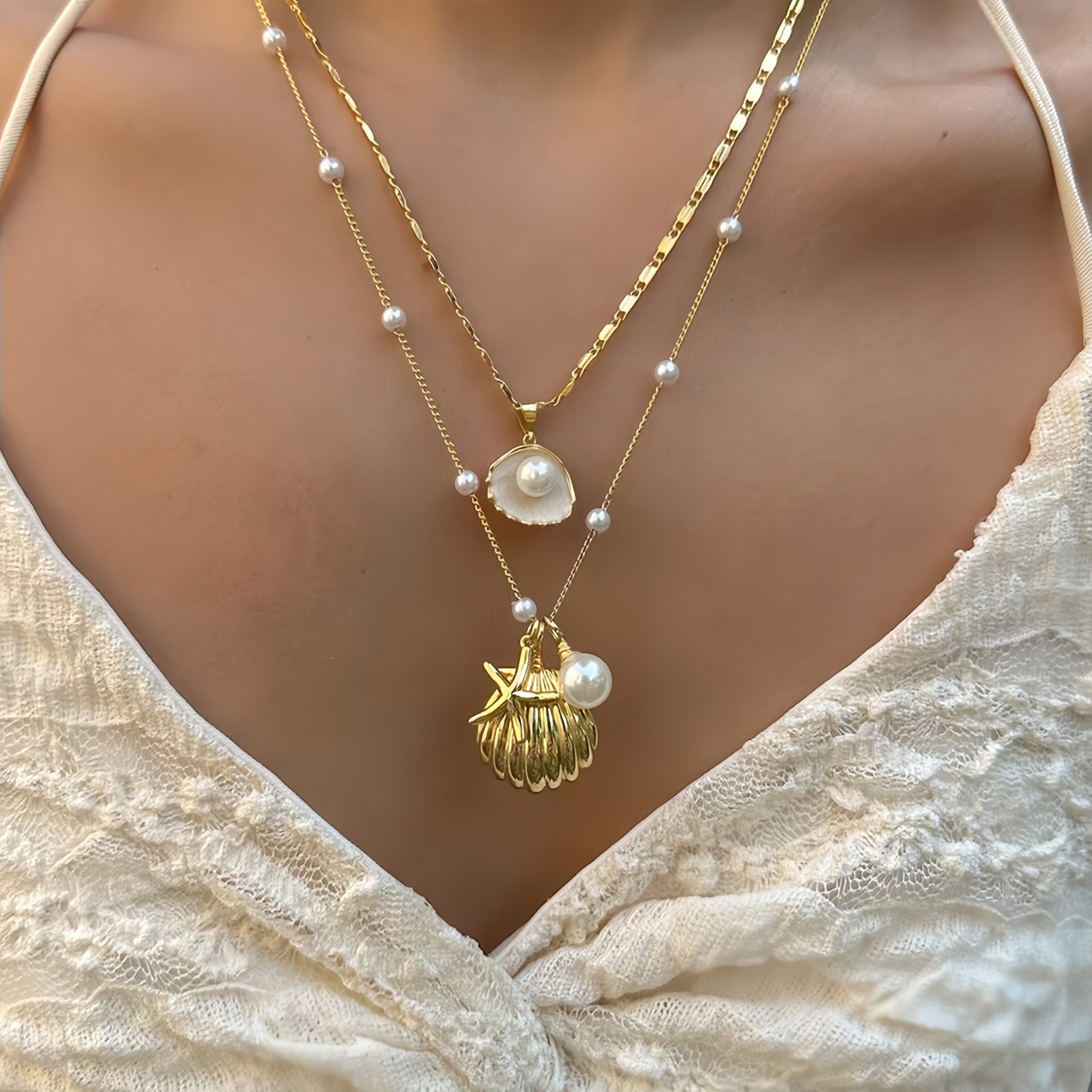
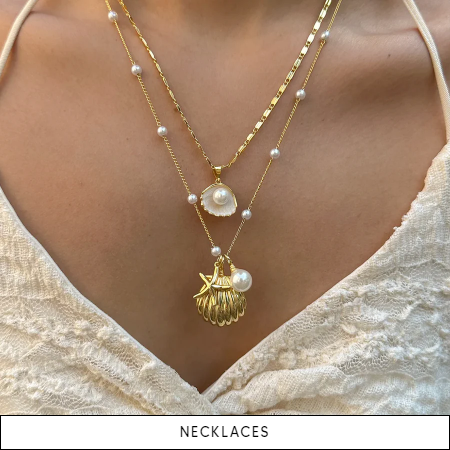
NECKLACES
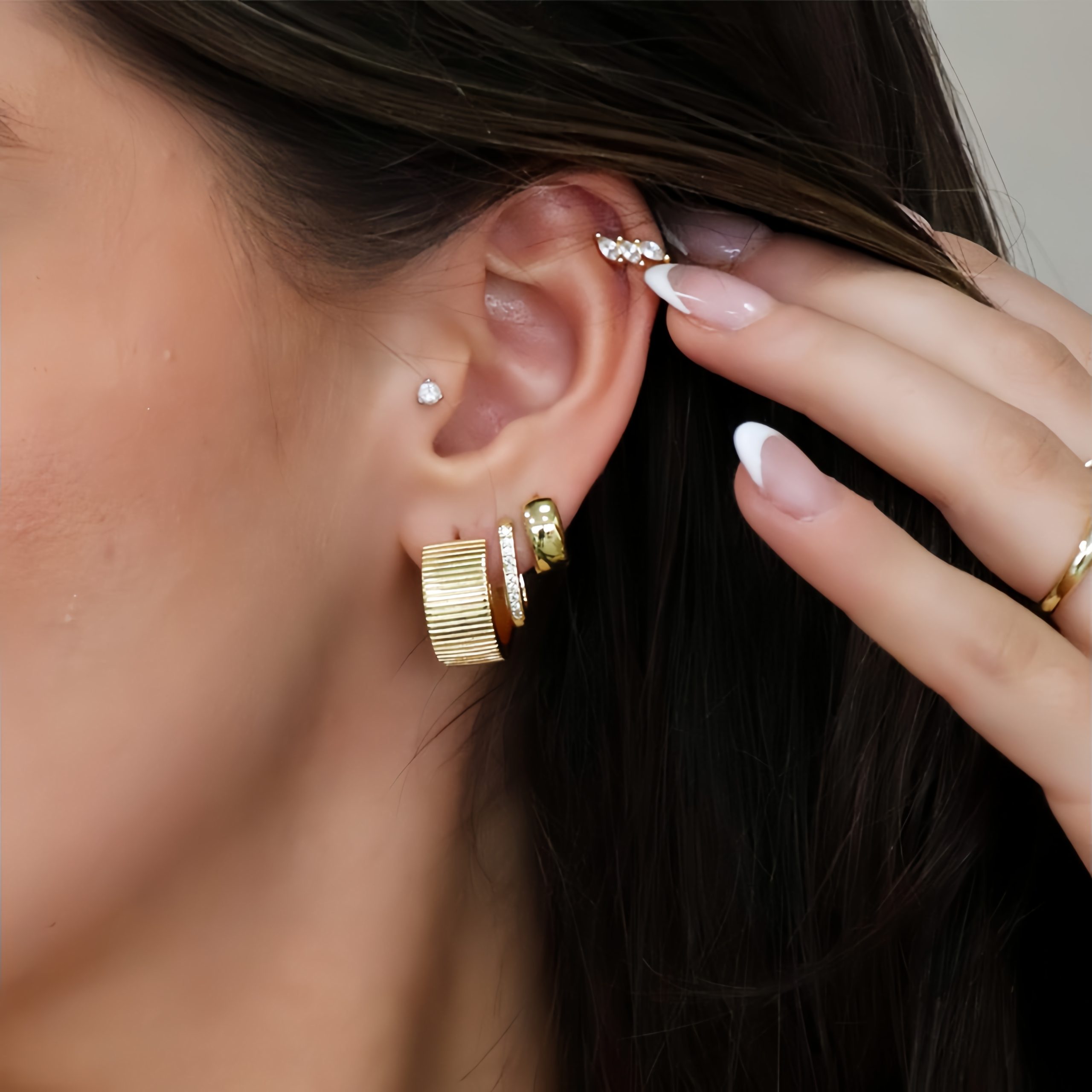
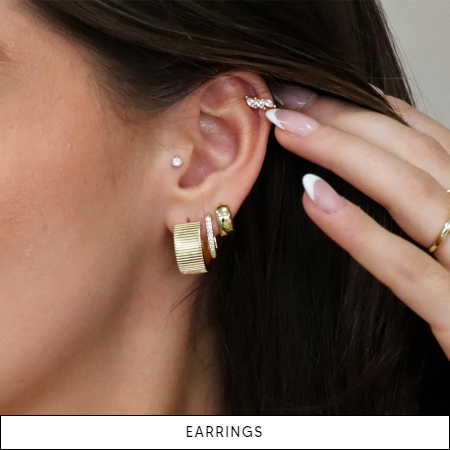
EARRINGS
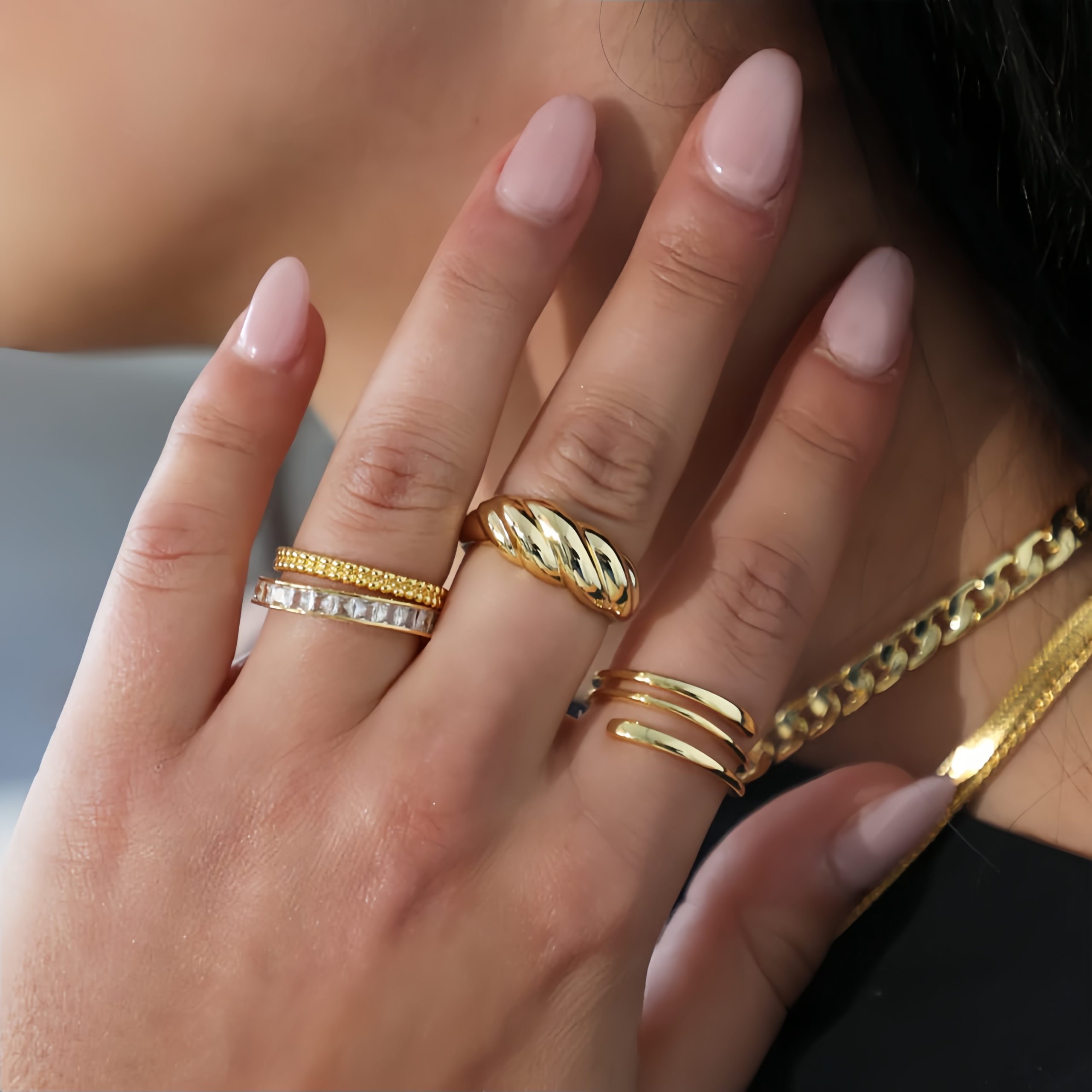
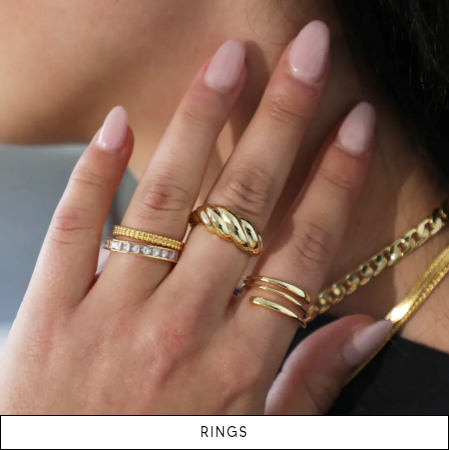
RINGS
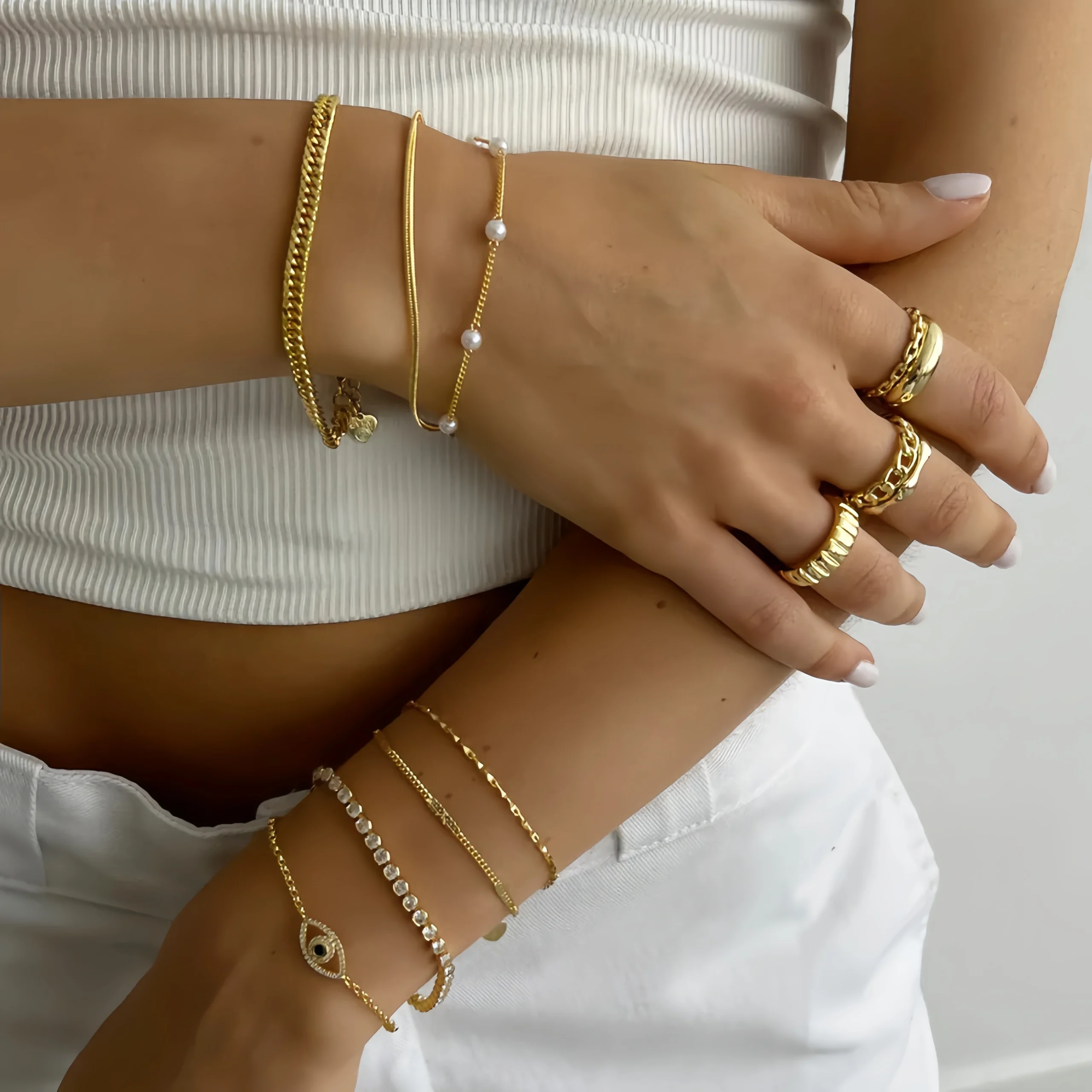
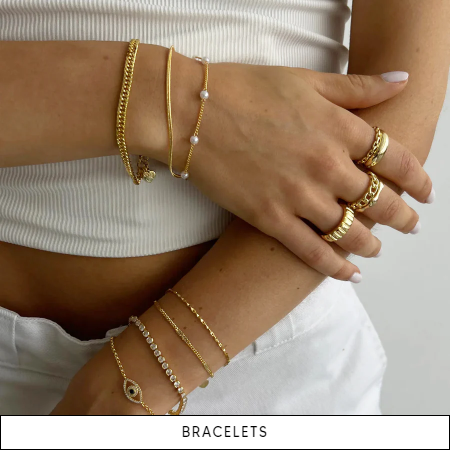
BRACELETS
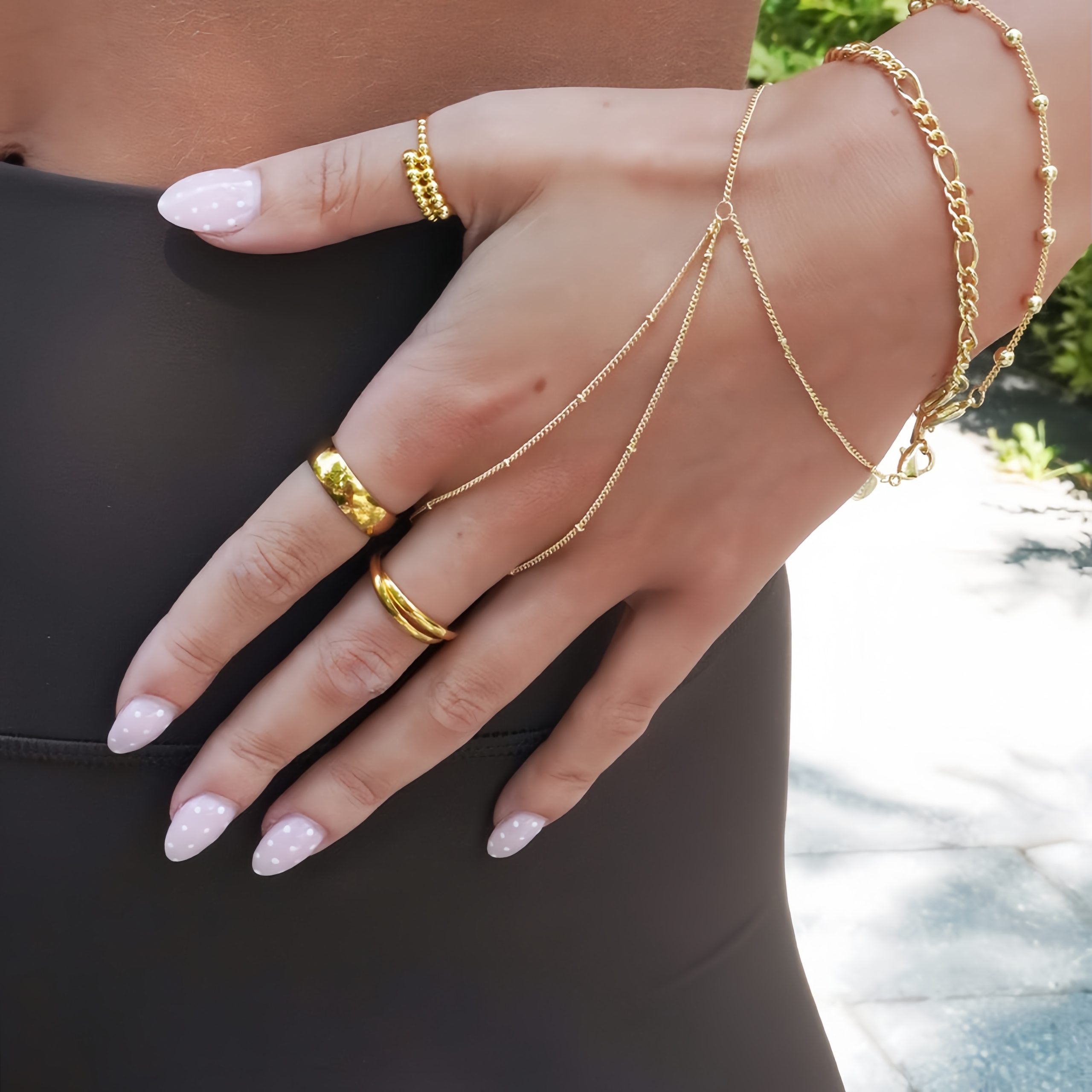
HAND CHAINS

ACCESSORIES
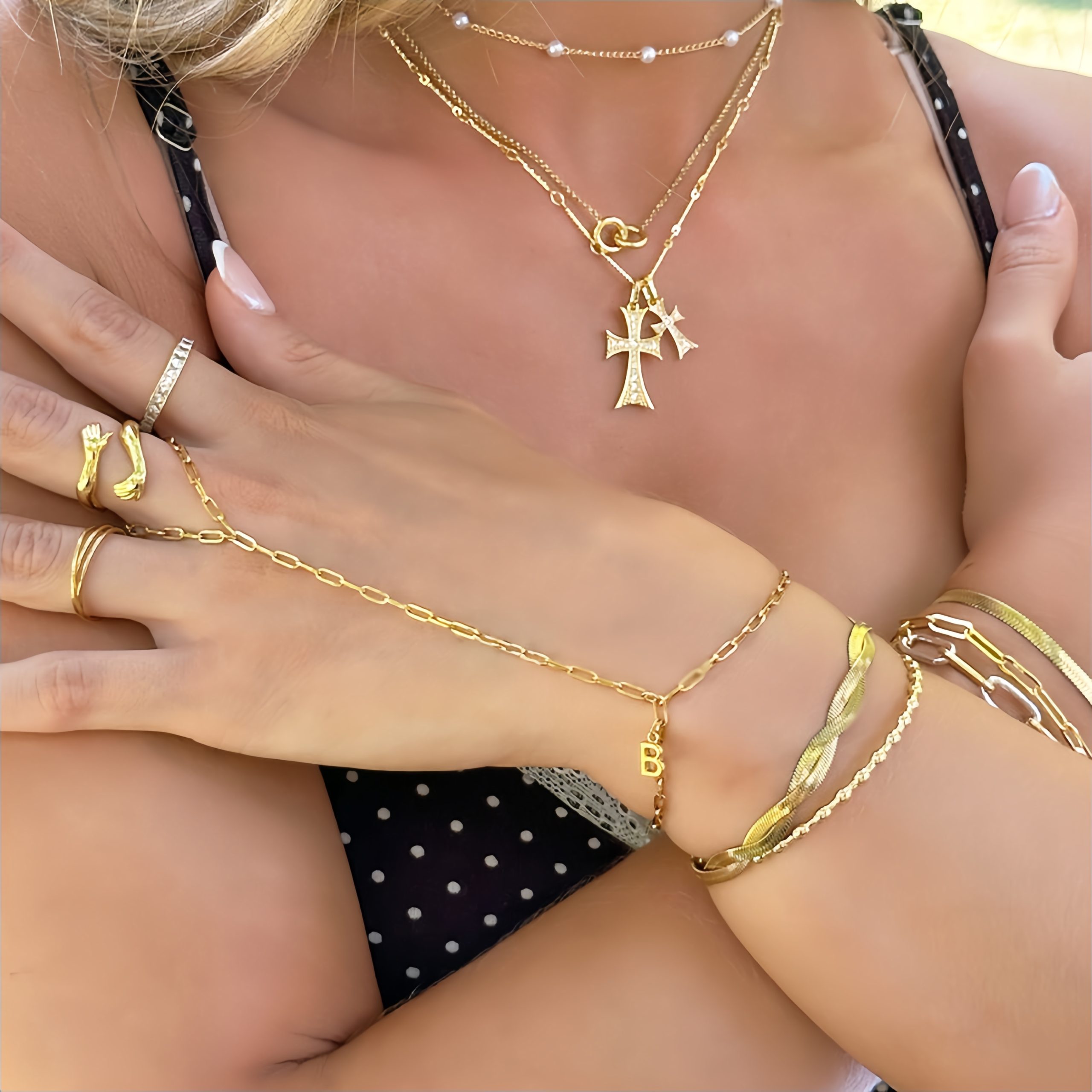
JEWELRY BUNDLES
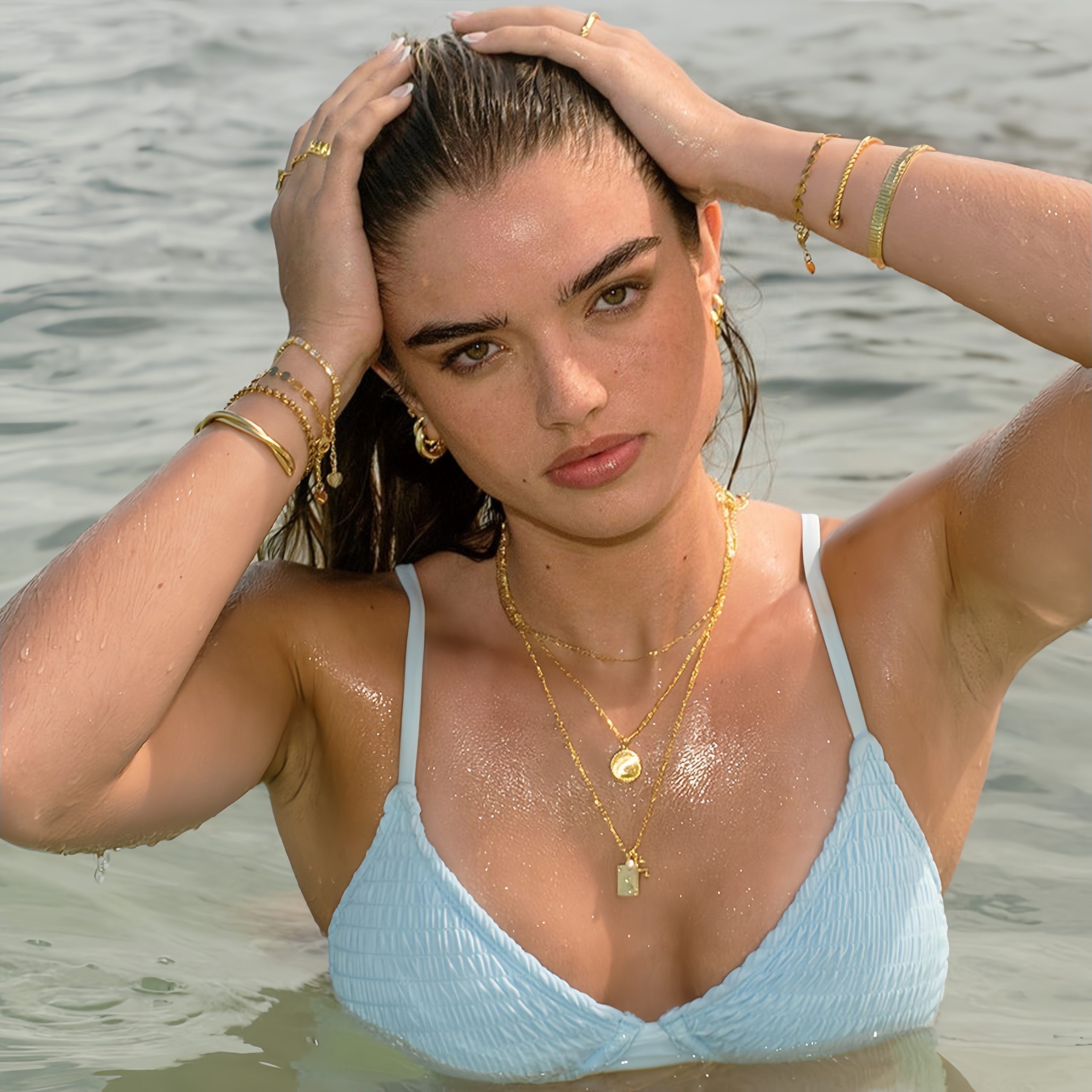
WATERPROOF
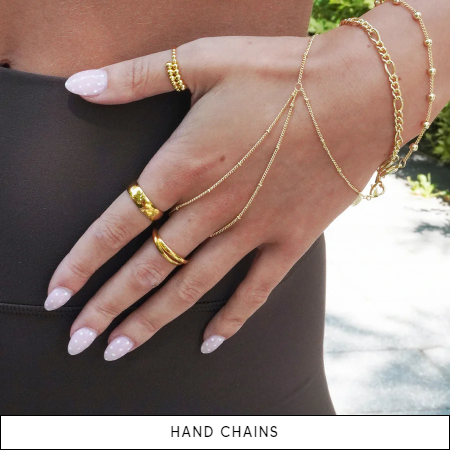
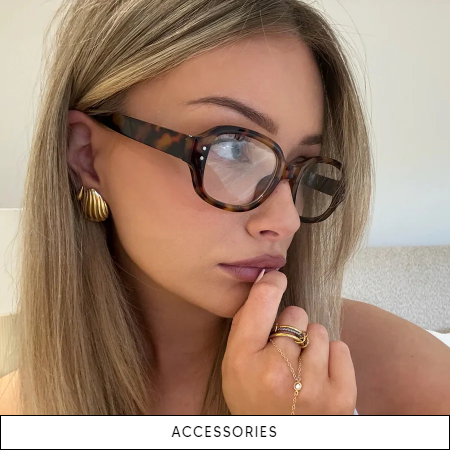
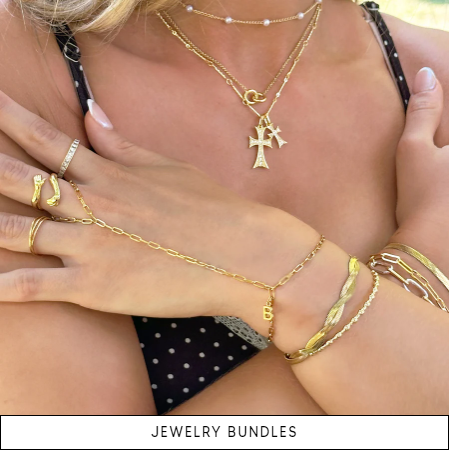
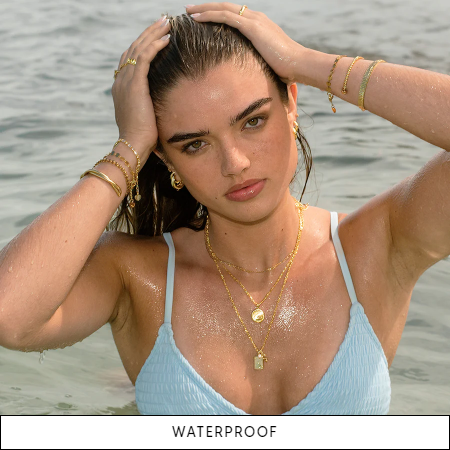
Shop The Latest Drop
Sale!
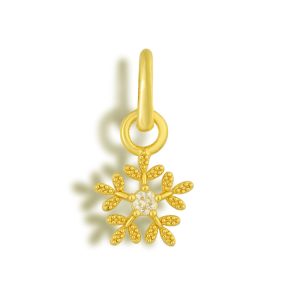
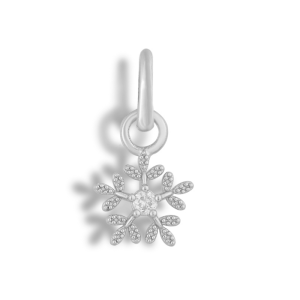
EVRY DEALS
Price range: $2.00 through $3.00
Sale!
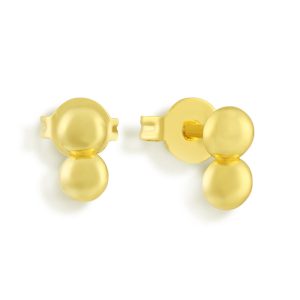
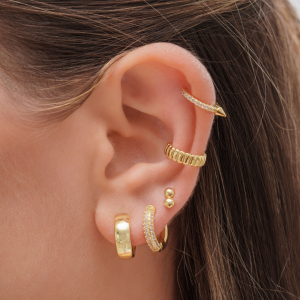
BEST SELLERS
Original price was: $16.99.$3.00Current price is: $3.00.
Sale!
BEST SELLERS
Original price was: $16.99.$3.00Current price is: $3.00.
Sale!
BEST SELLERS
Original price was: $19.99.$3.00Current price is: $3.00.
Sale!

BEST SELLERS
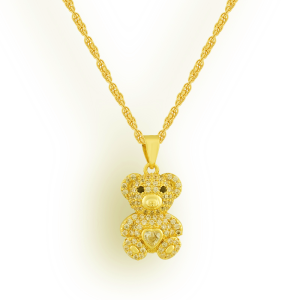
Original price was: $19.99.$7.50Current price is: $7.50.
Sale!
BEST SELLERS
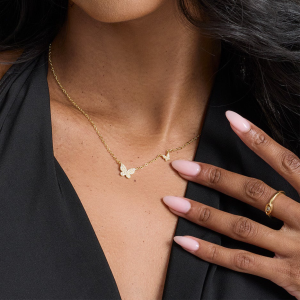
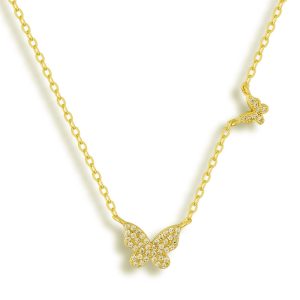
Original price was: $19.99.$3.00Current price is: $3.00.
Sale!
BEST SELLERS
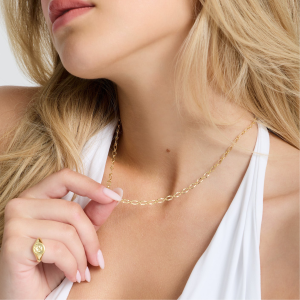
Original price was: $19.99.$3.00Current price is: $3.00.
Sale!
BEST SELLERS
Original price was: $22.99.$3.00Current price is: $3.00.
Sale!
BEST SELLERS
Original price was: $19.99.$3.00Current price is: $3.00.
Sale!
BEST SELLERS
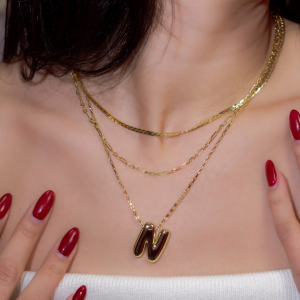
Original price was: $19.99.$3.00Current price is: $3.00.


Crafting Legacy: The Role of Fine Adornment
Beyond Ornamentation: The Makers’ Intent
The creation of a truly magnificent piece of fine adornment involves a specialized blend of scientific precision and artistic vision. It is a discipline that requires patience, an intimate understanding of material properties, and a dedication to enduring quality. The artisans who dedicate their lives to this craft are not merely assemblers; they are engineers of beauty. Their work begins with the rawest elements—a mined specimen, an ingot of purified metal—and culminates in an object that is flawless in its execution and captivating in its presentation.
The foundational principle of this craft is structural integrity. While the eye is drawn to the sparkle of a well-cut stone, the true measure of excellence lies in the setting, the clasp, and the overall construction. Every component must be meticulously formed to ensure the piece can withstand the rigors of daily life and maintain its beauty for centuries. This technical mastery involves calculating minute tolerances, understanding the thermal expansion rates of different elements, and employing specialized tools that are often passed down through generations of practitioners. The subtle weight, the smooth finish, and the secure fit of a high-quality item are all reflections of the maker’s commitment to permanence.
Materials as Narrative Mediums
The components used in fine adornment are carefully selected for their rarity, durability, and intrinsic beauty. Different types of precious metallic compounds, for example, offer a range of colors and physical properties, allowing the artisan to choose the perfect canvas for their design. The selection of accompanying gems is an equally rigorous process. These crystallized minerals, formed deep within the earth over vast stretches of time, each possess a unique character defined by their origin, inclusions, and color saturation.
The decision to pair a vibrant, intensely colored specimen with a clean, reflective metal, or to create a more subdued, textural piece using hammered surfaces, is part of the artistic dialogue. These materials serve as more than just components; they are narrative mediums. They convey a sense of gravitas, elegance, or playful modernism based on their interaction. The way a designer utilizes the color palette offered by nature’s bounty—from the deep, oceanic blues of one stone to the fiery reds of another—transforms the piece into a portable masterpiece of color theory.
The Dynamics of Style and Personal History
Fine jewelry often acts as a mirror to shifting societal aesthetics. Historical periods are identifiable by their dominant styles—the flowing, naturalistic curves of one movement, the bold, geometric lines of another, or the lavish complexity of a third. Yet, while trends evolve, the underlying principles of balance, proportion, and craftsmanship remain constant. A truly timeless piece successfully integrates the prevailing artistic sensibility of its creation with an inherent sense of classicism.
Furthermore, these personal ornaments are intrinsically linked to the concept of legacy. Unlike most material goods that eventually degrade or become obsolete, high-quality pieces are designed to outlive their original owners. When an object is passed from one individual to the next, it acquires a layer of personal history that multiplies its worth exponentially. It becomes a tactile link, a tangible reminder of relationships, accomplishments, and shared history. This tradition of passing on valued items is a powerful practice that reinforces familial bonds and creates a continuous stream of personal narrative embedded within the object itself.
In essence, the craft of fine adornment is an ancient practice perfected over millennia, dedicated to transforming raw earth materials into objects of desire and enduring significance. It is a field where the utmost technical skill meets boundless artistic imagination. The resulting objects are not merely decorative accessories; they are concentrated forms of human effort, creativity, and emotion. They are the artifacts we create to tell the story of ourselves, ensuring that the legacy of beauty and sentiment continues to shine brightly for generations to come. They serve as quiet, elegant monuments to human creativity and the enduring quest for self-expression.